
 LV
 EN
 RU
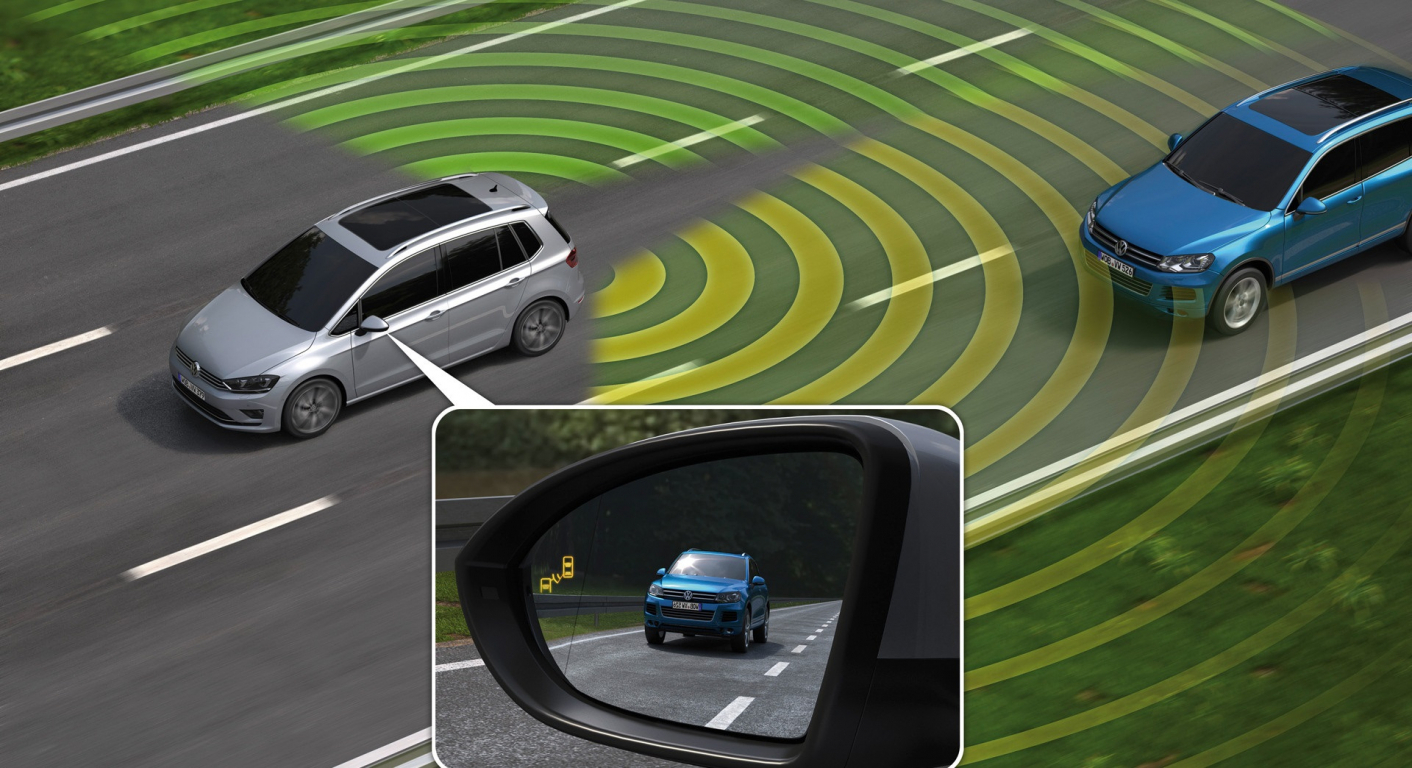
ADAS (Advanced Driver Assistance Systems) reduce mistakes and fatigue, but they are not full self-driving. Unrealistic expectations are the #1 reason they feel “unsafe”.
Lane keeping can help with steering, but poor road markings, snow, heavy rain, or glare reduce accuracy. Adaptive cruise is great at keeping distance, yet it may struggle with sharp cut-ins, tight curves, or sudden merges.
Automatic emergency braking is a strong last safety layer, but it works through sensors and algorithms—not intuition. That’s why it can warn early or, more rarely, miss highly complex edge cases.

Best practice: treat ADAS as an assistant, not a replacement. If it behaves oddly, check sensor cleanliness (camera/radar), tires, and windshield—often the fix is simple.