
 LV
 EN
 RU
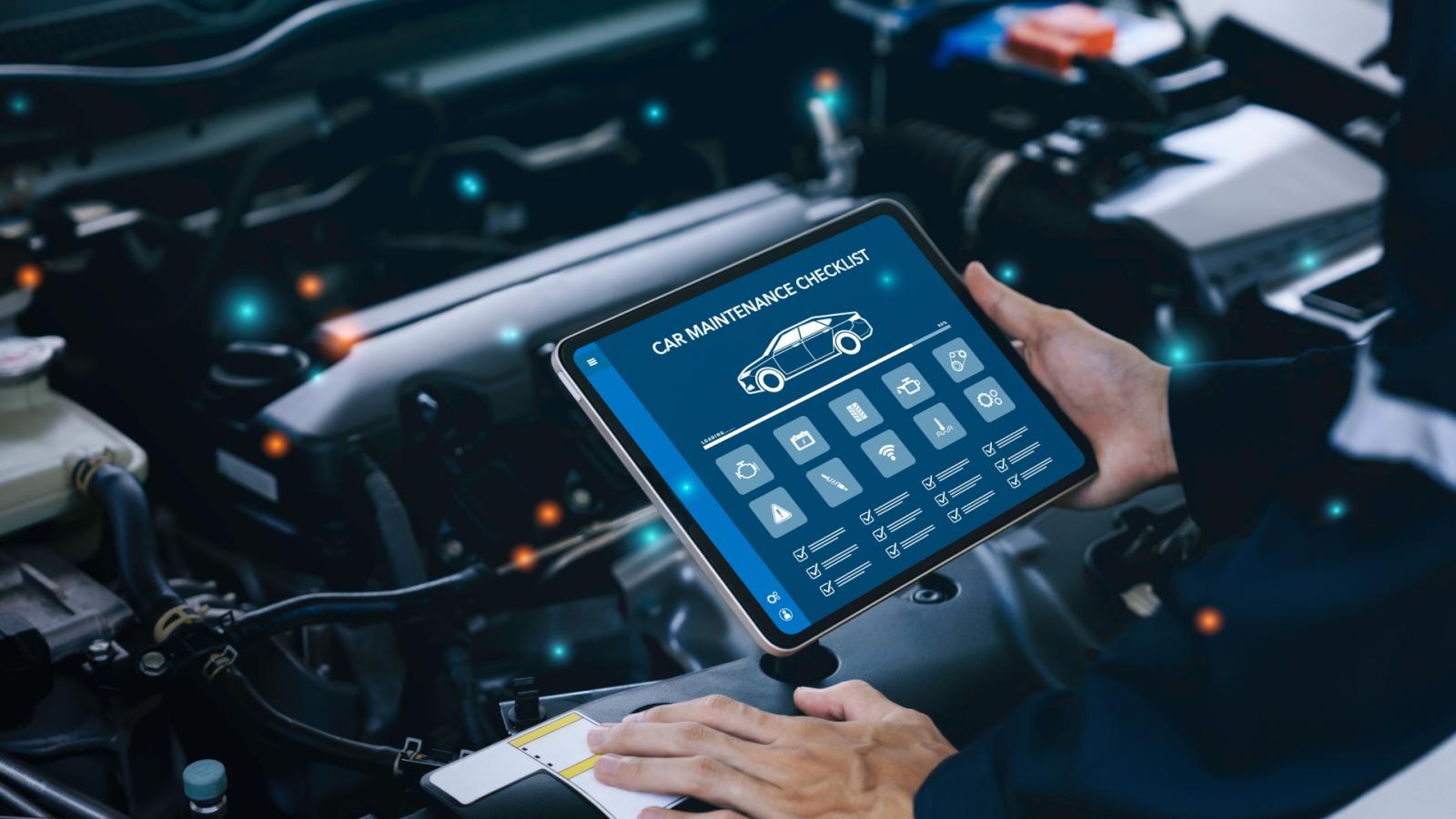
Technical inspection is a mandatory procedure for every vehicle owner. Many drivers prepare their cars only at the last moment, which often results in failed inspections and additional expenses.
This guide explains how to properly prepare your vehicle and significantly increase your chances of passing inspection on the first attempt.
Why preparation matters
The purpose of inspection is road safety. Most failures are caused by small technical issues that could easily be fixed beforehand.
Lighting system
Check headlights, brake lights, indicators, fog lights, reverse light and license plate illumination. Even one faulty bulb may result in a failed inspection.
Tires and safety
Tires must match the season and meet minimum tread depth requirements. Uneven wear or incorrect pressure may also lead to inspection remarks.
Braking system
Vibrations, noise or uneven braking indicate potential problems. Brake pads and discs are among the most common failure reasons.
Suspension and steering
Poor road conditions accelerate suspension wear. Shock absorbers, ball joints and steering components should be checked before inspection.
Engine and fluids
Inspectors check for leaks. Ensure engine oil, coolant, brake fluid and washer fluid levels are correct.
Exhaust and emissions
Excess smoke or damaged catalytic converters can prevent passing inspection, especially for diesel vehicles.
Body and visibility
The windshield must not have cracks in the driver’s visibility zone. Wipers, mirrors and seat belts must operate correctly.
Interior safety
Warning lights on the dashboard should not remain active, and seats must be properly secured.
Common driver mistakes
Drivers often ignore small defects such as broken lights or worn tires. These minor issues are responsible for many inspection failures.
Professional recommendation
A pre-inspection diagnostic at a service center can save both time and money by identifying issues early.
Technical inspection should not be seen as a formality but as confirmation that your vehicle is safe for everyday driving.