
 LV
 EN
 RU
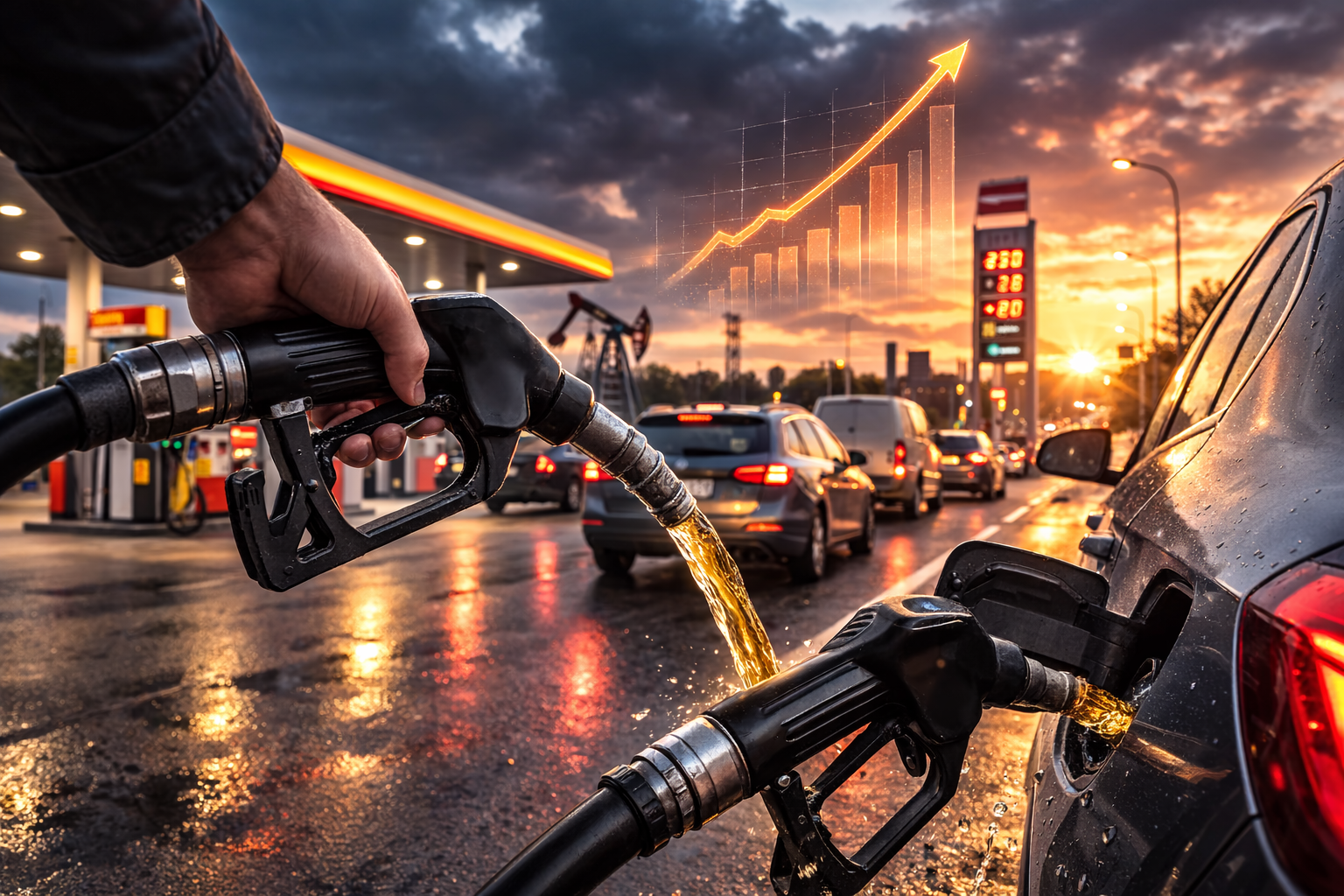
In recent weeks drivers in Latvia have started noticing that fuel prices at petrol stations are gradually increasing again. In some places petrol and diesel prices have already exceeded the levels seen earlier this winter. Although the change may seem sudden at the local level, fuel prices in Latvia are mainly influenced by developments in the global energy market.
Latvia does not produce crude oil, which means that all petroleum products used in the country are imported from European refineries. Because of this, fuel prices in Latvia depend directly on global oil prices, transportation costs and supply chain stability. Even events occurring thousands of kilometres away can influence the price drivers see at local fuel stations.
One of the main factors currently affecting the oil market is geopolitical uncertainty in several regions of the world. Tensions in the Middle East and disruptions to shipping routes have increased risks for oil transportation. Some tankers are now choosing longer routes, which increases transport costs and delays deliveries. These additional costs eventually reach European fuel markets.
Another important factor is the policy of major oil-producing countries. The OPEC+ alliance regularly adjusts oil production levels in order to influence market prices. When production is reduced, global supply decreases and prices tend to rise. Even expectations of future supply disruptions can quickly affect oil prices on international exchanges.
At the same time, Europe is entering a period of higher seasonal fuel demand. Spring traditionally increases transportation activity, construction projects and agricultural operations. Diesel fuel is particularly affected because it is widely used in freight transport and industry. As a result, diesel prices often change faster than petrol prices in the Baltic region.
The final fuel price in Latvia consists of several components: the international price of petroleum products, transportation and logistics costs, excise tax and value added tax. While taxes remain relatively stable, market prices for fuel can change daily. Because fuel retailers purchase supplies in advance, global price changes usually appear in Latvia with a delay of several days.
Experts suggest that fuel prices in Latvia may continue to fluctuate moderately in the coming weeks. A sharp price drop is unlikely as long as supply risks and transportation costs remain elevated. If global markets stabilise, prices could level off, but seasonal demand during spring may still keep prices slightly higher than during winter.
For drivers in Latvia, the most practical approach is to monitor fuel prices regularly. Differences between petrol stations can sometimes reach several cents per litre, and these variations change frequently depending on deliveries and competition between retailers.