
 LV
 EN
 RU
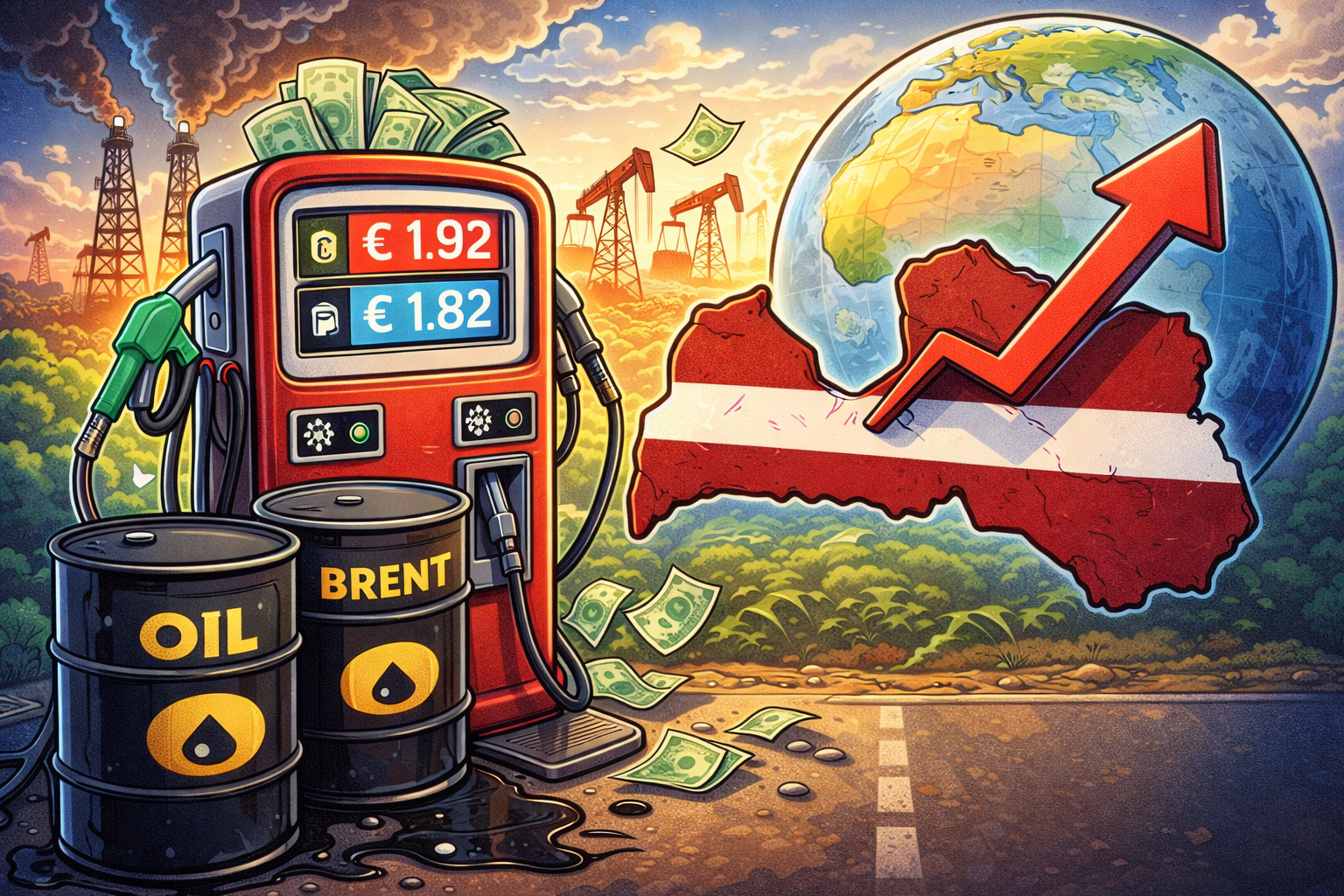
In 2026, global fuel prices continue to be closely linked to the international oil market. Economic growth, geopolitical tensions and energy demand all play a role in shaping the price drivers seen at fuel stations.
Energy analysts often emphasize that oil prices remain the most important factor behind fuel price fluctuations worldwide.
The global oil market
Crude oil is traded on international markets and its price is determined by supply and demand. When global demand increases, oil prices typically rise, which later translates into higher fuel prices.
Major oil benchmarks such as Brent crude are often used as reference points for fuel price calculations in Europe.
When the price of oil increases on global markets, fuel prices usually follow with a delay of several days or weeks.
Key factors influencing fuel prices
Several global factors can influence oil and fuel prices.
- global oil production levels
- decisions by OPEC oil producing countries
- economic growth and industrial demand
- geopolitical conflicts
- transportation demand
- seasonal consumption patterns
These factors often interact with each other, creating volatility in global energy markets.
Why global oil prices affect Latvia
Latvia does not produce crude oil domestically, which means that all fuel used in the country is imported. Because of this, the Latvian fuel market is directly influenced by global oil prices.
When international oil prices rise, fuel distributors in Europe eventually adjust retail fuel prices to reflect higher costs.
This is why changes in oil prices on global markets are usually reflected at Latvian fuel stations within a relatively short period.
Local factors affecting fuel prices in Latvia
In addition to global oil prices, several domestic factors influence the final price of fuel in Latvia.
- fuel taxes and excise duties
- transport and logistics costs
- currency exchange rates
- competition among fuel retailers
Taxes represent a significant portion of the final fuel price in most European countries, including Latvia.
How drivers experience fuel price changes
For drivers, fuel price fluctuations are immediately noticeable. Even small price changes can significantly affect monthly transportation costs.
"When fuel prices increase by just a few cents per liter, it becomes noticeable in my monthly expenses." – Peter, driver from Riga
"I try to monitor fuel prices and refuel when prices are slightly lower during the week." – Anna, driver
Fuel price outlook
Experts expect that fuel prices will continue to fluctuate depending on global energy markets.
Growing global energy demand, geopolitical developments and economic cycles will likely remain the main drivers of oil price volatility.
For drivers, understanding these trends can help better plan transportation budgets and anticipate future price changes.