
 LV
 EN
 RU
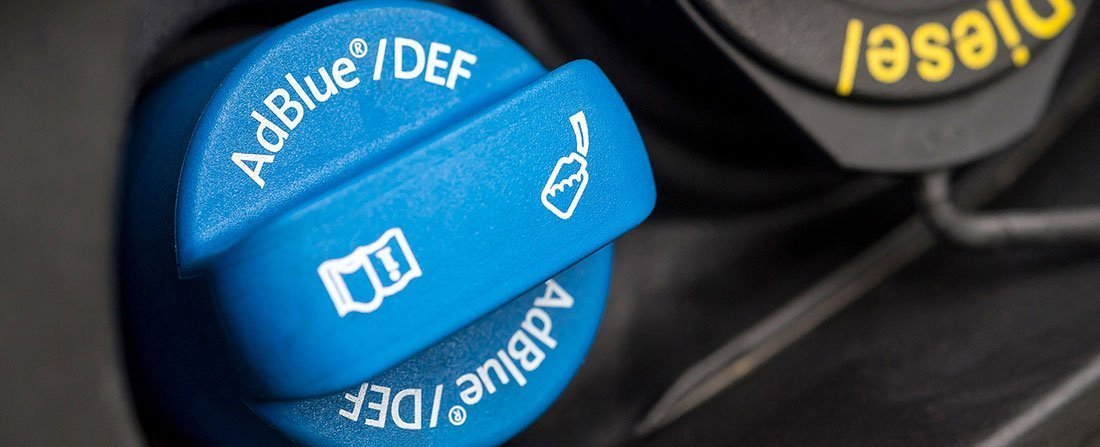
In modern diesels, the AdBlue (SCR) system is a core part of emissions control. The problem is that many drivers treat it like “just another fluid” — until warning messages appear, power is limited, or a no-start countdown shows up on the dashboard.
Mistake #1: Waiting until the last moment. If the car shows a remaining distance before it won’t start, don’t gamble. This isn’t a “soft reminder” — it’s the system enforcing emissions compliance. Refilling early is always cheaper than dealing with an immobilized car.
Mistake #2: Using dirty funnels or questionable containers. AdBlue is sensitive. Dirt, dust, or residues from other liquids can cause crystallization and deposits. Once contamination gets into the system, you can end up with clogged injectors, sensor faults, and repeated warnings.
Mistake #3: Poor storage habits. Leaving a canister in the trunk for months (especially through heat or big temperature swings) is asking for trouble. AdBlue degrades over time and doesn’t like high temperatures. Buy what you’ll use in a reasonable period and store it properly.
Mistake #4: Cross-contamination with other fluids. Even a small mix-up — a cap, a funnel, or a container that previously held something else — can trigger errors and damage components. Keep AdBlue equipment separate and clearly labeled.
Mistake #5: Ignoring early symptoms and driving “until it gets worse.” If warnings appear or you notice strange behavior (loss of power, frequent regeneration cycles, unusual smells), get a scan early. A minor issue can become expensive when the system starts throwing multiple faults.

The simple rule: refill before you’re low, use clean dedicated tools, store it correctly, and don’t ignore warnings. With AdBlue systems, “cheap later” is rarely cheap.